How Seasonal Weather Affects Your Roof's Lifespan
Oklahoma asks a lot of a roof over the course of a year, and each season leaves its own mark.
September 23, 2026 · 3 min read
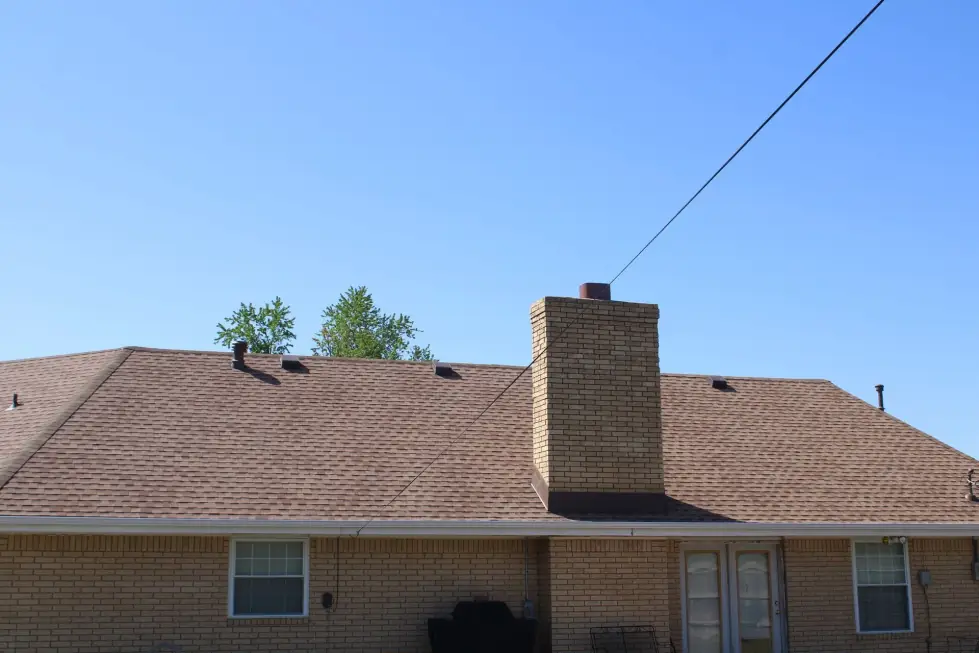
A roof in Oklahoma City does not just sit still and age gracefully. It goes through blistering summer heat, sudden hailstorms, high straight-line winds, and the occasional ice storm, sometimes all within the same year. Understanding how each season wears on a roof helps explain why some roofs hold up for decades while others need attention sooner, and why regular inspection matters more here than in milder climates.
Summer Heat and Sun Exposure
Intense sun and high temperatures cause roofing materials to expand and contract, and over years that cycle gradually dries out asphalt shingles and makes them more brittle. Dark shingles absorb more heat than light ones, which is one reason color is worth a conversation when choosing a new roof. Good attic ventilation also matters here, since trapped heat under the roof deck adds to the stress on shingles from underneath as well as above.
That heat and expansion cycle happens every single day the sun is out, not just on the hottest afternoons of the year, which is part of why a roof's age matters as much as any single storm event. A roof that has been through fifteen or twenty Oklahoma summers has absorbed a lot of expansion and contraction even if it has never taken a direct hit from hail, and that gradual wear is exactly what a periodic inspection is meant to catch.
Wind, Hail, and Spring Storms
Spring in Oklahoma often means hail and high wind, sometimes together in the same storm. Hail impacts can bruise or crack shingles in ways that are not always obvious from the ground, and strong straight-line winds can lift shingle edges or tear them off outright. This kind of damage is exactly what Jenco Construction's storm damage repair service addresses, and the team works with insurance companies to help simplify the claims process when a storm is the cause.
It is worth walking the property after any significant spring storm, not just checking the roof itself. Storm damage often shows up first in gutters full of granules, dented vents or flashing, or debris scattered across the yard, all of which are clues that the roof took a hit even if no shingles are visibly missing. Catching that kind of damage early, before the next round of storms, tends to make repairs simpler than waiting until a leak forces the issue.
Winter Ice and Freeze-Thaw Cycles
Oklahoma winters bring occasional ice storms and repeated freeze-thaw cycles, where water gets into small gaps, freezes, expands, and gradually widens the problem. Gutters clogged with leaves are a common contributor here, since trapped water at the roof edge has more opportunity to freeze and back up under shingles. Keeping gutters and downspouts clear ahead of winter is one of the simpler ways to reduce that risk.
The freeze-thaw pattern is particularly hard on a roof because it repeats. A single freeze does limited damage on its own, but a winter with several thaws and refreezes in a row gives water more chances to work its way into a gap that started out tiny. This is one reason a roof that looked fine going into winter can show new issues by early spring, even without a single dramatic storm.
What Helps a Roof Last Through All of It
- Keeping gutters and downspouts clear, especially before winter
- Trimming back branches that overhang or rub against the roof
- Having the roof looked at after any significant hail or wind event
- Scheduling more frequent inspections once a roof passes about 10 years old
- Making sure attic ventilation is doing its job in both summer and winter
None of these steps require much time individually, but done consistently across the year they add up to a roof that ages more evenly instead of taking the full brunt of every season on its own. A roof that goes through this kind of regular attention tends to reach the far end of its expected lifespan rather than the near end of it.
In Jenco Construction's experience, a correctly installed roof can last 40 to 50 years under optimal conditions, but severe weather can shorten that timeline, which is exactly why Oklahoma roofs deserve a closer eye than roofs in calmer climates. Jenco Construction has been serving Oklahoma City homeowners since 1983 and offers free roof inspections, so a season's worth of wear does not have to go unnoticed. For a checkup after the next storm, or just to get ahead of the next one, call Jenco's roof inspection service at (405) 720-2116.
Jenco Construction, (405) 720-2116
Call (405) 720-2116More articles
Should I Repair or Replace My Roof?
The difference between a repair and a replacement usually comes down to how much of the roof is actually affected.
Signs It's Time for a New Roof: What Every Homeowner Should Know
A roof rarely gives one dramatic warning. It gives several small ones, and they are worth learning to read.