Choosing the Right Asphalt Shingles With a Residential Roofer
Asphalt shingles come in more varieties than most homeowners realize, and the right choice depends on more than color.
September 23, 2026 · 3 min read
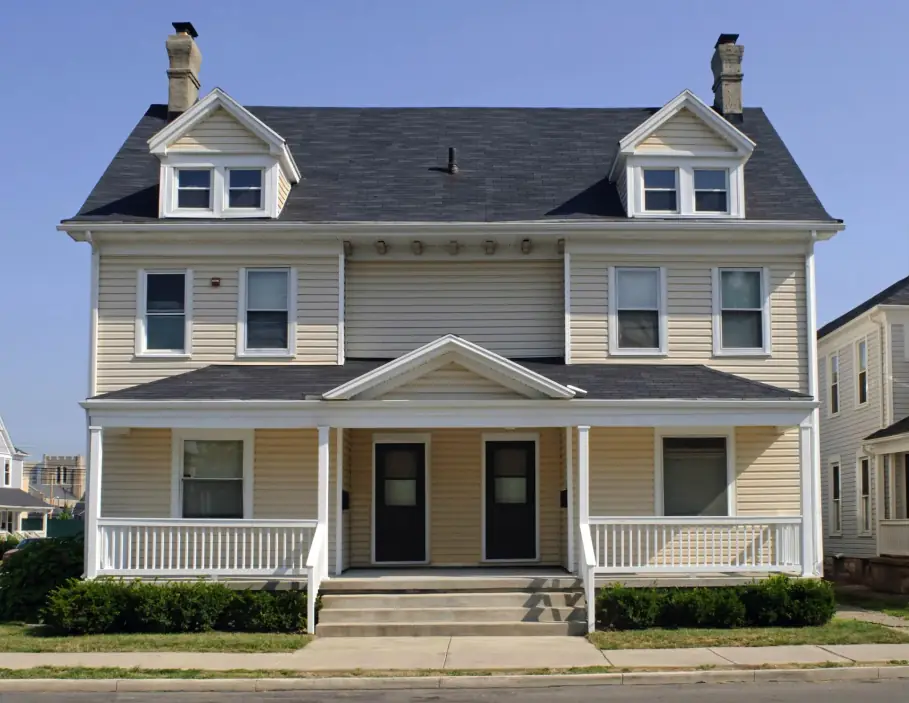
Asphalt shingles remain the most common roofing material for a reason: they offer a classic look, dependable protection, and a wide range of styles and colors to match nearly any home. But not all asphalt shingles are built the same, and picking one is less about grabbing the first sample that looks nice and more about understanding how different shingle types perform and which one fits a specific roof.
Three-Tab vs. Architectural Shingles
Three-tab shingles are the flatter, more uniform style that has been around for decades: lightweight, affordable to manufacture, and simple in appearance. Architectural shingles, sometimes called dimensional shingles, are thicker and layered, giving the roof more depth and shadow line. Many homeowners choose architectural shingles for the look alone, but the extra material also tends to hold up better against wind, since the layered construction gives each shingle more to grip.
The difference is easiest to see from the street. A three-tab roof reads as flat and uniform from a distance, while an architectural roof has a shadow line that gives the whole surface texture and depth. Many homes built decades ago in the Oklahoma City area were originally finished with three-tab shingles, and a switch to architectural at replacement time is one of the more common upgrades homeowners choose, both for the look and for the added wind resistance.
Color, Heat, and Energy Efficiency
Shingle color affects more than curb appeal. Lighter colors reflect more sunlight and absorb less heat than darker ones, which can make a modest difference in how hard a home's attic and cooling system have to work during an Oklahoma summer. This is one of the reasons a roofer will often ask about the direction a roof faces and how much shade it gets before recommending a color, not just what looks best against the siding.
Beyond color, some architectural shingles are manufactured with reflective granules designed specifically to bounce back more of the sun's energy, which can be worth asking about for a roof that gets full sun most of the day. Attic ventilation still does most of the work of managing attic heat, but shingle choice is one more variable a homeowner has some control over at replacement time.
Why Roofers Recommend Asphalt for Most Homes
Asphalt shingles are recommended for most residential roofs because they balance durability, appearance, and ease of installation and repair better than most alternatives. Metal roofing offers long-lasting strength and its own energy advantages, and TPO roofing is suited to flat or low-slope sections because of its durability and reflective surface. Asphalt tends to be the right fit for a traditional pitched roof on a typical Oklahoma City home, which is why it remains the most requested material.
Part of the appeal is also practical. Asphalt shingles are widely available in a huge range of colors and styles, which makes it easier to match a specific look, and individual shingles can be replaced during a repair without redoing an entire section. Metal and TPO both have their place, particularly on a low-slope addition or a homeowner specifically after a longer-lasting metal roof, but for a standard pitched roof, asphalt remains the material most residential roofers reach for first.
What a Residential Roofer Actually Weighs
- The slope and design of the roof itself
- How much sun exposure the roof gets through the day
- The style and color of the home's siding, trim, and brick
- Any local weather considerations, including wind and hail exposure
- The homeowner's own preference for look and long-term durability
Jenco Construction is a Malarkey Certified Installer and has installed asphalt, metal, and TPO roofing across the Oklahoma City area since 1983, which means the team has seen how each material actually performs on local homes over time, not just on paper. Every full roof replacement includes a lifetime workmanship warranty, and Jenco offers free estimates so a homeowner can compare options before committing to one. A conversation with an installer familiar with local weather is often more useful than a swatch of samples on its own, since the same shingle can perform differently depending on a roof's slope, shade, and sun exposure. To talk through shingle choices for a specific roof, reach Jenco's asphalt shingle installation service at (405) 720-2116.
Jenco Construction, (405) 720-2116
Call (405) 720-2116More articles
Should I Repair or Replace My Roof?
The difference between a repair and a replacement usually comes down to how much of the roof is actually affected.
Signs It's Time for a New Roof: What Every Homeowner Should Know
A roof rarely gives one dramatic warning. It gives several small ones, and they are worth learning to read.